
Understanding their different mechanisms helps explain why cannabis medicine offers such diverse applications.
Cannabinoids directly interact with the endocannabinoid system—a regulatory network that influences mood, appetite, sleep, pain perception, and immune function. This system uses naturally produced compounds like anandamide (the “bliss molecule”) to maintain physiological balance (homeostasis). Plant cannabinoids supplement this internal system.
THC closely resembles anandamide, binding primarily to CB1 receptors in the brain to produce psychoactive and psychotropic effects. CBD interacts with both CB1 and CB2 receptors throughout the brain and body, modulating the endocannabinoid system without mood altering effects. Other cannabinoids like CBC, CBN, and CBG each target different aspects of this complex network.
Terpenes work differently. These aromatic compounds don’t directly activate cannabinoid receptors but can influence how cannabinoids affect us. They interact with our central nervous system and other physiological pathways, creating synergistic or antagonistic effects with cannabinoids.
This interaction explains the entourage effect. Lavender’s relaxing properties come from linalool; when combined with THC and CBN, this terpene can enhance cannabis’s sedating effects. Conversely, limonene’s energising properties might counteract THC’s tendency toward lethargy.
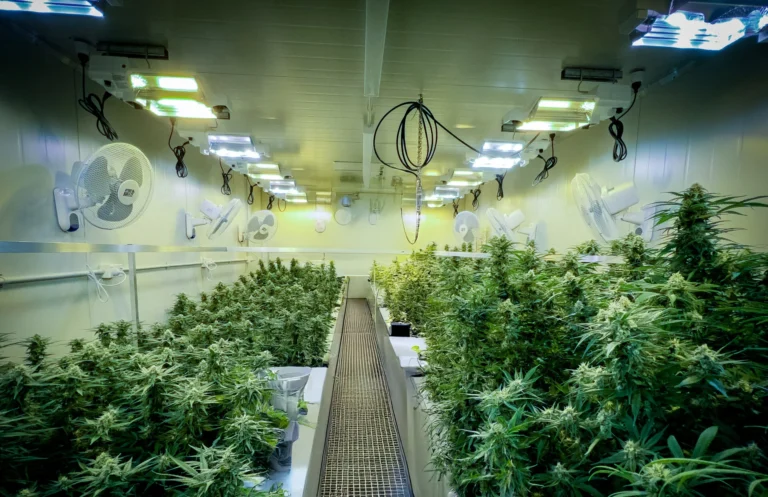
Both compound families are produced in trichomes—the resinous glands that coat mature cannabis flowers. These structures likely evolved as defence mechanisms, producing compounds that deter pests while potentially attracting beneficial insects.
At Puro, our live drying technology preserves both cannabinoids and terpenes in their natural ratios. While traditional drying often degrades these delicate compounds, our pharmaceutical-grade process maintains the best representation of the complete chemical profile present at harvest.
This preservation allows patients to experience cannabis as nature intended—with all compounds working together to create potential therapeutic effects greater than any single molecule alone.